In this excerpt, Solís discusses the one-person performance that she created through her theater company to celebrate Celedonio and the Major Devil tradition of Portobelo, Panama.
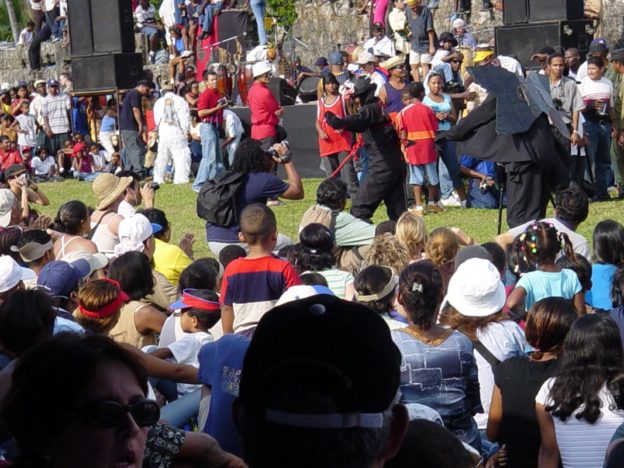
In this excerpt, Solís discusses the one-person performance that she created through her theater company to celebrate Celedonio and the Major Devil tradition of Portobelo, Panama.
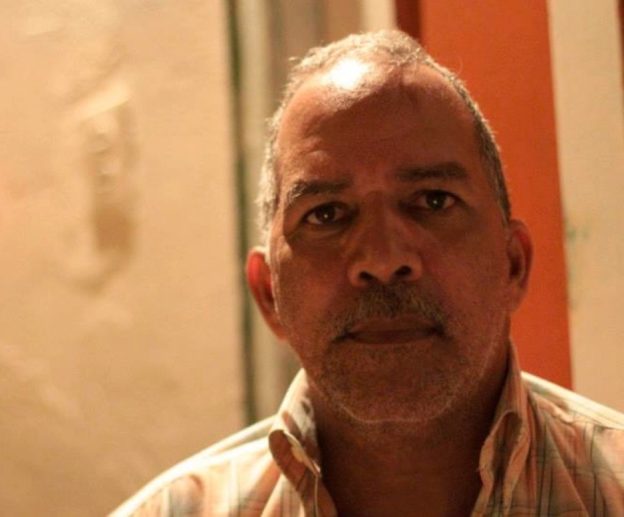
In this excerpt, Chavarría discusses how he imagines retiring as Major Devil.
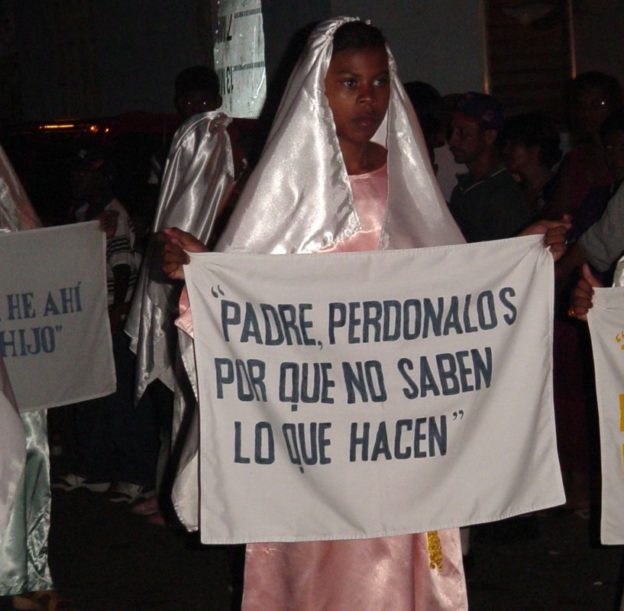
In this excerpt, Chavarría shares a story about what happened when the Major Devil played the starring role in the Passion of Christ.

In this excerpt, Chavarría discusses the way in which hierarchies of Congo Devils greet one another, how they are baptized within the tradition, and the importance of crossing one’s feet and “dancing” in the devil way.
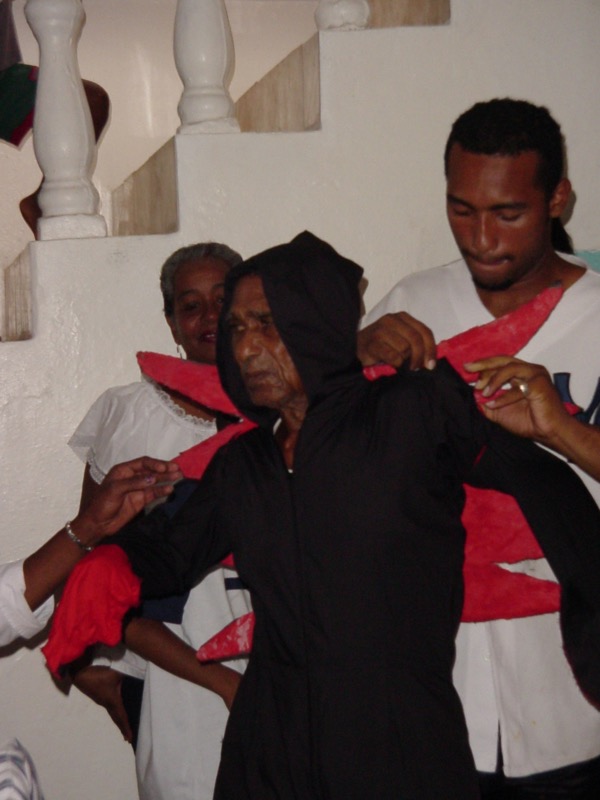
In this excerpt, Chavarría discusses his memory of the last time the renowned Celedonio Molinar performed as devil and how his mentor retired in 2003 after being honored at that year’s Festival de los Diablos.

In this excerpt, Chavarría shares cherished memories of his mentor, Celedonio Molinar, including seeing him “fly” from roof to roof as Major Devil. Chavarría also discusses important lessons and ritual practices that he learned from his mentor about performing the Major Devil role.
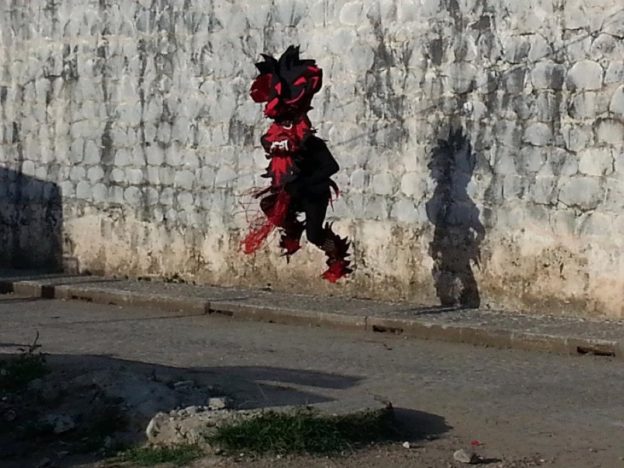
In this excerpt, Solís discusses the relationship between the economy and the increasingly violent ways in which younger generations of devils within Congo traditions of Panama embody the character.
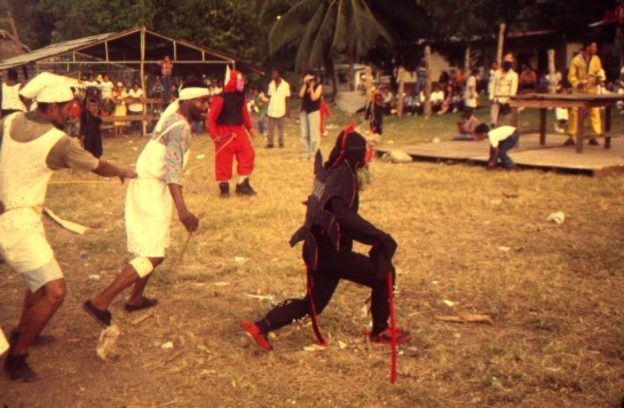
In this excerpt, Ileana discusses the unique energy and magnetism that made Celedonio Molinar’s embodiment of the devil character within the Congo tradition of Portobelo, Panama so special.
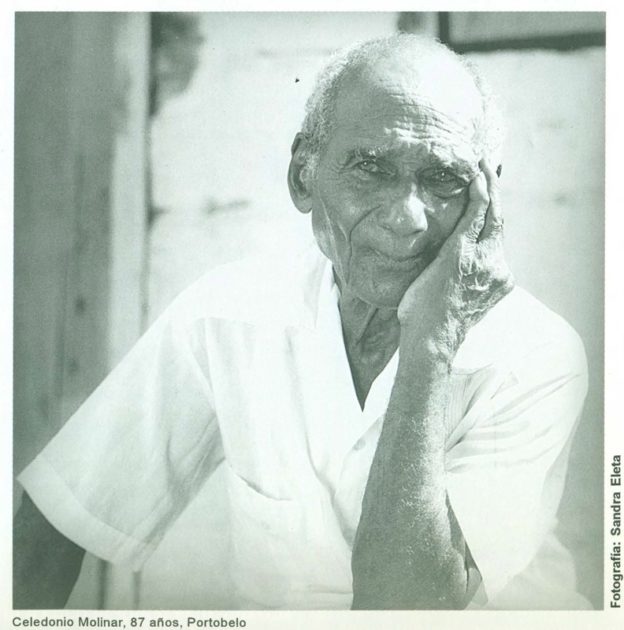
In this excerpt, Solís discusses what she believes is the legacy of Celedonio Molinar, renowned Major Devil in the Congo tradition of Portobelo, Panama.
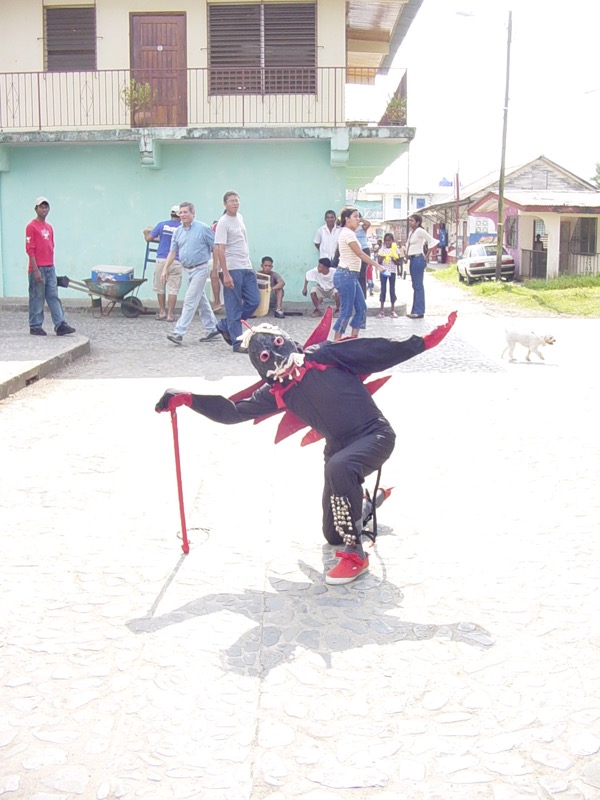
In this excerpt, Molinar discusses how he came to play the role of Major Devil in Portobelo. And how he reintroduced the practice of “Blessing” or “Baptizing” the Devil.